



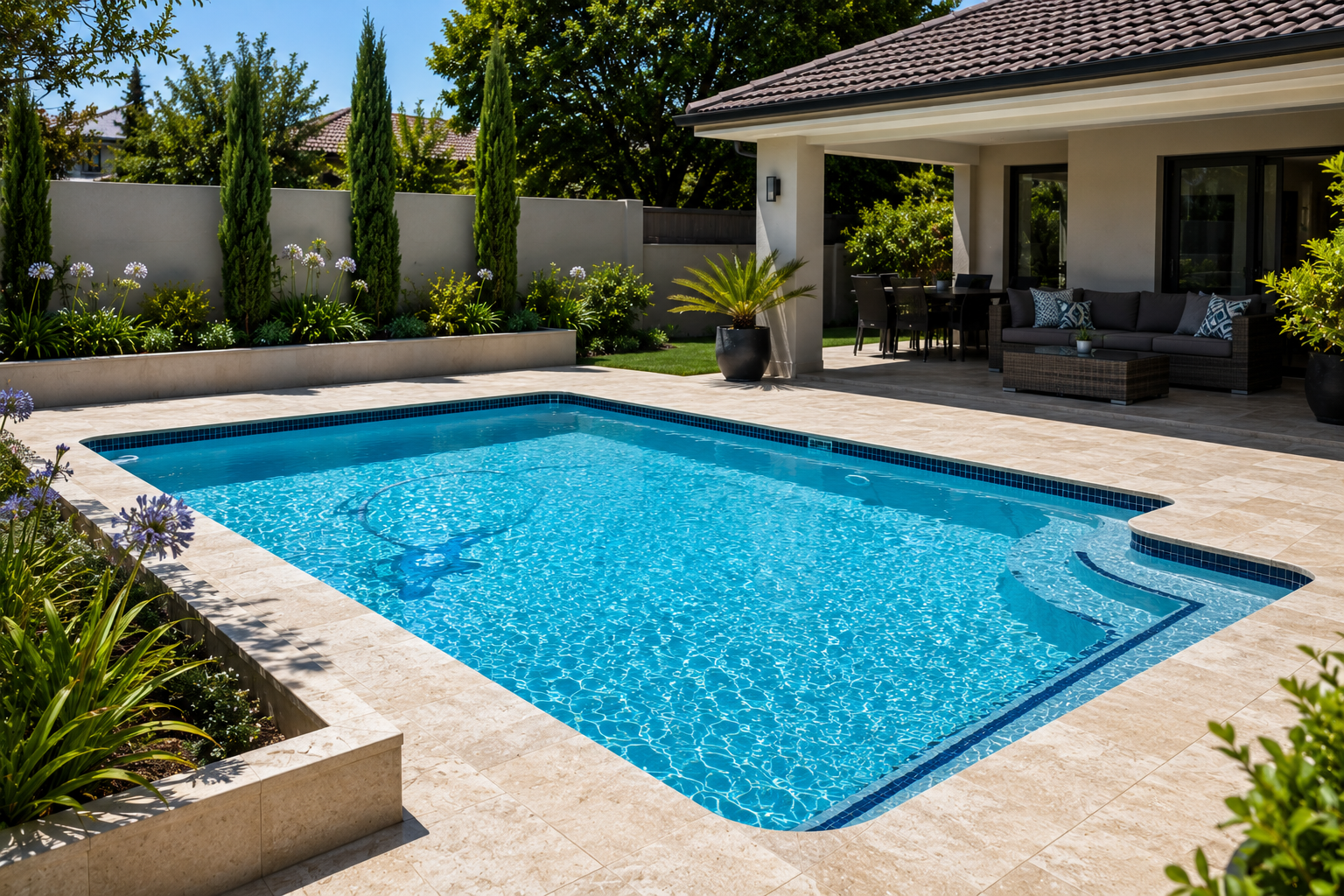
Swimming pools are built to provide years of enjoyment, but like any part of a home, they require maintenance and the occasional repair. Some problems develop gradually over time, while others seem to appear overnight, leaving homeowners wondering whether the issue is minor or something that needs immediate attention.
A small crack in the pool surface, water that seems to disappear faster than usual, a noisy pump, or tiles beginning to loosen may not look serious at first. However, swimming pools are constantly exposed to water pressure, sunlight, changing temperatures, and chemical treatment. Minor problems rarely stay minor if they are ignored.
The good news is that most pool issues can be repaired successfully when they are identified early. The key is understanding what the problem is, what may have caused it, and when it is time to call in experienced pool professionals.
Whether you own a fibreglass or concrete swimming pool, recognising the warning signs can help protect your investment, reduce future repair costs, and keep your pool looking and performing at its best.
Professional Swimming Pool Repairs You Can Trust
Fill in the form below to speak with Absolute Pools about diagnosing and repairing your swimming pool before small problems become costly repairs.
Water Loss That Is More Than Evaporation
One of the most common concerns homeowners have is noticing that the water level keeps dropping.
During hot weather, it is perfectly normal for a swimming pool to lose a small amount of water through evaporation. However, if you are constantly topping up the pool or the water level drops unusually quickly, there may be an underlying leak.
Pool leaks can occur in the plumbing, the shell, around fittings, or within the filtration system.
Apart from increasing your water bill, untreated leaks can gradually damage the surrounding ground, paving, and even the pool structure itself.
Professional leak detection helps locate the exact source of the problem so repairs can be carried out without unnecessary excavation or guesswork.
Cracks in the Pool Surface
Not every crack means the swimming pool is structurally damaged, but every crack deserves attention.
Hairline cracks sometimes develop naturally as finishes age, while larger cracks may indicate movement within the surrounding ground or problems beneath the pool surface.
Ignoring cracks allows water to penetrate areas that should remain dry.
Over time, this can lead to further deterioration and more extensive repairs.
An experienced pool specialist will assess the type of crack, determine what caused it, and recommend the most appropriate repair rather than simply covering the visible damage.
Worn or Damaged Marbelite
Concrete swimming pools eventually begin showing signs of wear.
The marbelite surface may become rough, stained, chipped, or begin separating from the underlying structure.
Apart from affecting the appearance of the pool, damaged marbelite can make the surface uncomfortable underfoot and may eventually allow water to penetrate beneath the finish.
Depending on the condition of the pool, resurfacing or re-marbeliting may restore both its appearance and long-term durability.
If you’re considering resurfacing, you can naturally link readers to your article comparing pool resurfacing, re-marbelite, and fibreglass relining for a more detailed explanation of the available options.
Loose or Broken Tiles
Pool tiles do more than improve appearance.
They help protect parts of the pool structure while providing a clean, finished edge around the waterline.
Over time, tiles may loosen because of age, movement, weather exposure, or deteriorating adhesive.
Missing or damaged tiles should not simply be ignored because water can eventually reach areas behind the finish.
Replacing loose tiles early usually prevents larger repairs later while restoring the overall appearance of the swimming pool.
Pool Pump Problems
The swimming pool pump is often described as the heart of the circulation system.
When it begins malfunctioning, the effects are usually noticed throughout the entire pool.
Common warning signs include unusual noises, poor water circulation, reduced suction, frequent power trips, overheating, or complete failure to start.
Sometimes the problem is as simple as a blocked pump basket or worn seal.
In other cases, internal components may require repair or replacement.
Prompt attention helps prevent additional strain on the filtration system and keeps the pool operating efficiently.
Poor Filtration and Cloudy Water
Crystal-clear water depends on effective circulation and filtration.
If the filter becomes blocked, damaged, or overdue for maintenance, water quality often begins to decline.
Cloudy water, reduced circulation, and recurring algae growth may all indicate that the filtration system is no longer performing efficiently.
Fortunately, many filtration problems can be resolved through proper servicing, replacing worn components, or upgrading ageing equipment where necessary.
Keeping the filtration system in good condition not only improves water quality but also reduces unnecessary wear on the rest of the pool equipment.
Pool Lights That Stop Working
Underwater lighting adds both beauty and safety to a swimming pool, particularly during evening entertaining.
When pool lights stop working, the cause is not always the bulb itself.
Electrical connections, transformers, seals, or water entering the fitting can all contribute to lighting problems.
Because pool lighting combines electricity and water, repairs should always be carried out by qualified professionals to ensure the system remains safe.
Damaged Coping and Surrounding Paving
The area around the pool experiences constant exposure to moisture, sunlight, and foot traffic.
Over time, coping stones may loosen, paving may crack, or sections may begin lifting.
Apart from affecting the appearance of the pool area, damaged paving can create trip hazards and allow water to reach areas beneath the surface.
Repairing these problems early helps maintain both safety and the overall presentation of your outdoor space.
Restore Your Swimming Pool With Confidence
Complete the form below to book professional swimming pool repairs with Absolute Pools and restore your pool to its best condition.
Don’t Ignore the Early Warning Signs
Many expensive pool repairs begin as relatively minor issues.
A small leak becomes a larger plumbing repair.
Loose tiles lead to water damage.
A worn pump eventually fails completely.
Minor cracks become larger structural concerns.
The earlier these problems are identified, the simpler and more affordable the repairs usually are.
Regular inspections and routine maintenance help identify developing issues before they become major expenses.
Even if the problem appears small, obtaining professional advice early often saves homeowners significant money over time.
Can You Repair It Yourself?
Some basic maintenance tasks, such as cleaning baskets, backwashing filters, or removing debris, can easily be handled by homeowners.
Repairs are different.
Without correctly identifying the source of the problem, it is easy to spend money replacing parts that were never faulty in the first place.
Applying temporary sealants, patching visible cracks, or attempting plumbing repairs without proper diagnosis often treats the symptom rather than the actual cause.
In some cases, DIY repairs may even make professional repairs more difficult later.
If you’re uncertain about the source of the problem, it is usually more cost-effective to have the pool inspected before attempting repairs yourself.
How Professional Repairs Protect Your Investment
A swimming pool is one of the most valuable outdoor features of many homes.
Professional repairs help protect that investment by restoring both the appearance and performance of the pool while preventing additional damage from developing.
Experienced pool specialists understand how different systems work together, from plumbing and filtration to structural finishes and pool equipment.
Rather than repairing only what is immediately visible, they investigate the underlying cause to ensure the problem is properly resolved.
This approach provides longer-lasting repairs and greater peace of mind for homeowners.
A Well-Maintained Pool Lasts Longer
Every swimming pool will eventually require repairs, but the frequency and severity of those repairs often depend on how well the pool has been maintained over the years.
Routine inspections, prompt attention to developing problems, and quality workmanship all contribute to extending the lifespan of the pool while reducing long-term maintenance costs.
Whether the issue involves a leak, damaged marbelite, faulty equipment, or worn paving, addressing it early helps preserve both the appearance and value of your property.
With professional repairs carried out at the right time, your swimming pool can continue providing many years of safe, reliable enjoyment for family and friends.
Why Swimming Pool Repairs Should Never Be Delayed
It is easy to postpone pool repairs, especially when the problem does not seem urgent. A small crack, a minor leak, or equipment that still works most of the time may not feel like a priority.
Unfortunately, swimming pool problems rarely resolve themselves.
Water is incredibly persistent. Once it finds its way into places it shouldn’t be, it can gradually weaken surrounding materials, increase wear on equipment, and contribute to more extensive damage over time.
For example, a small plumbing leak may eventually lead to water loss, higher municipal bills, soil erosion, or movement beneath the pool. Likewise, damaged finishes can continue deteriorating as water penetrates beneath the surface, turning what could have been a straightforward repair into a much larger project.
Addressing repairs as soon as they are identified is usually the most cost-effective approach. It protects the swimming pool, reduces the risk of further damage, and often results in simpler repairs.
How Regular Pool Maintenance Helps Prevent Repairs
While no swimming pool is completely maintenance-free, regular servicing plays a significant role in reducing unexpected repair costs.
Routine inspections allow small problems to be identified before they become major concerns. During a maintenance visit, experienced technicians often notice early signs of leaks, worn seals, damaged equipment, loose fittings, or water chemistry issues that homeowners may easily overlook.
Keeping the pool clean, maintaining balanced water chemistry, servicing the filtration system, and ensuring equipment operates efficiently all contribute to extending the lifespan of the entire pool.
Preventative maintenance is almost always more affordable than major repairs, which is why many homeowners choose scheduled servicing to keep their pools in excellent condition throughout the year.
Choosing the Right Pool Repair Company
Not all swimming pool repair companies offer the same level of experience or workmanship.
Before accepting a quotation, it is worth taking the time to learn more about the company you are trusting with your investment.
Look for a repair specialist who takes the time to inspect the problem thoroughly instead of immediately recommending a solution without proper assessment. A reputable company should explain what has caused the problem, how it will be repaired, and why that particular repair method is recommended.
Good communication is often a sign of quality workmanship.
Choosing experienced professionals who stand behind their work gives homeowners confidence that the repair has been completed correctly and is designed to last, rather than simply providing a temporary fix.
Expert Swimming Pool Repairs That Last
Fill in the form below to speak with Absolute Pools about reliable swimming pool repairs carried out by experienced professionals who focus on quality workmanship and long-term solutions.


Comments are closed