



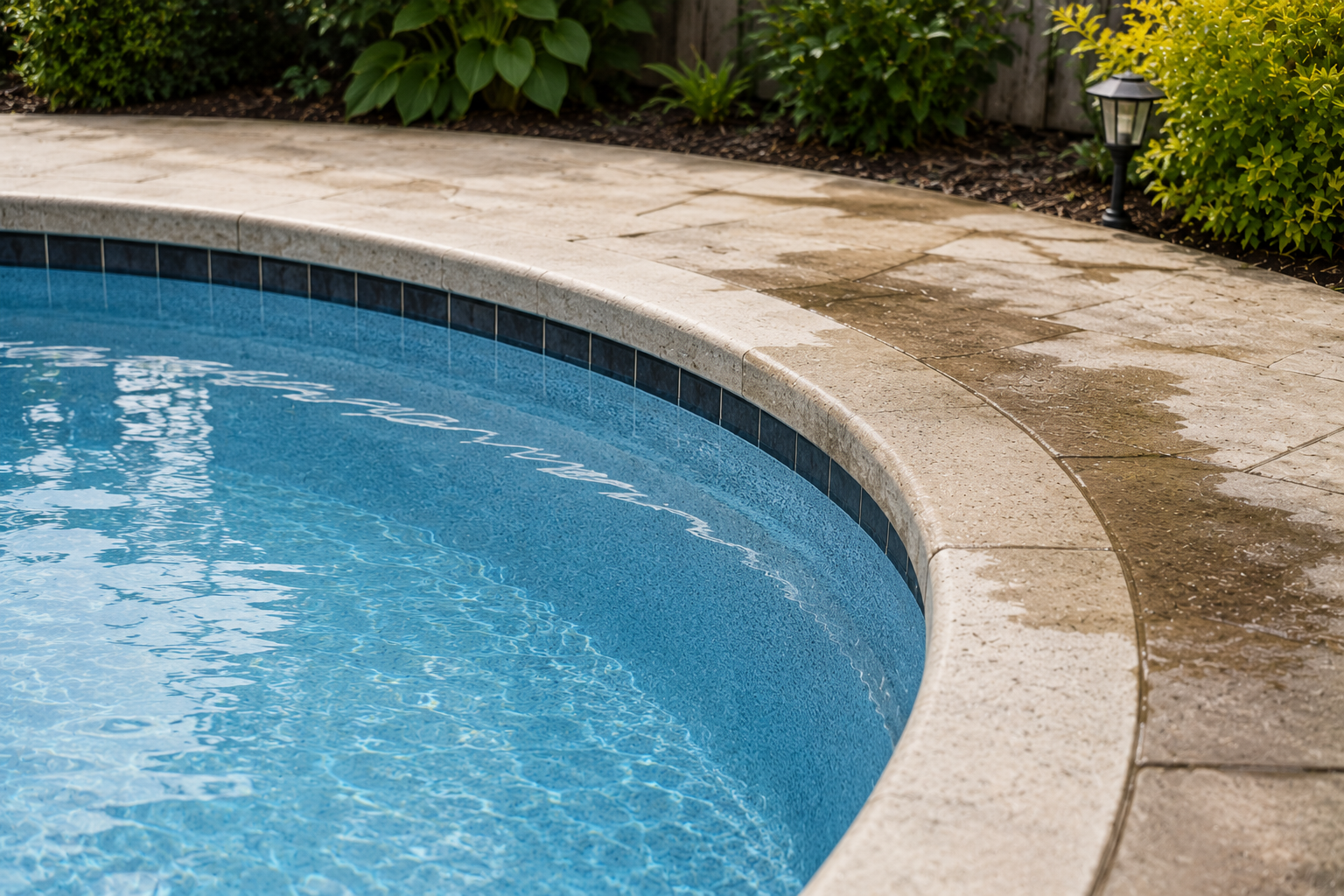
Swimming pools naturally lose some water over time, especially during hot Johannesburg summers. Evaporation, splashing and backwashing can all lower the water level slightly. However, when the water loss becomes excessive or constant, there is a good chance your pool may have a leak.
Many homeowners ignore the early warning signs because the changes seem small at first. Unfortunately, even a minor pool leak can become expensive over time. Water loss can increase utility bills, damage surrounding structures, weaken soil beneath the pool and place unnecessary strain on the filtration system.
In Johannesburg, where water conservation and rising municipal costs are ongoing concerns, identifying leaks early can save homeowners significant money and prevent larger structural problems later.
If you suspect your pool is losing water faster than normal, there are several ways to determine whether you are dealing with ordinary evaporation or an actual leak.
Need Professional Pool Leak Detection in Johannesburg?
If your pool is losing water unusually fast, our team can help identify the source of the problem before it becomes more serious.
How Much Water Loss Is Normal?
Before assuming your swimming pool has a leak, it is important to understand that some water loss is completely normal.
Johannesburg’s climate can cause noticeable evaporation during warmer months, especially when temperatures are high, wind exposure increases or the pool receives full sun throughout the day.
Most swimming pools lose a small amount of water naturally every week. However, if you constantly need to refill the pool or notice the water level dropping rapidly over a short period, the issue may be more serious.
Many homeowners first notice the problem when they find themselves topping up the pool more frequently than usual. Others may notice wet areas around the pool, changes in water chemistry or air entering the pump system.
These early signs should never be ignored.
Common Signs Your Pool May Have a Leak
One of the clearest warning signs is ongoing water loss that seems excessive compared to normal evaporation.
However, leaks often create additional symptoms around the pool area. Some problems appear gradually, while others become obvious very quickly depending on the size and location of the leak.
Common signs of a leaking pool include:
- Constantly dropping water levels
- Cracks around the pool structure
- Wet or soggy ground near the pool
- Air bubbles in the return lines
- Increased water bills
- Loose paving or sinking areas around the pool
- Difficulty maintaining water chemistry
In some Johannesburg properties, leaking water may also affect retaining walls, nearby landscaping or surrounding foundations if the issue continues for a long period.
The sooner the problem is identified, the easier and less expensive repairs usually become.
The Bucket Test for Pool Leak Detection
One of the simplest ways to determine whether your pool is leaking is by performing a bucket test.
This test helps compare normal evaporation against actual water loss from the pool.
To perform the bucket test pool leak check, fill a bucket with pool water and place it on the pool step or shallow area so the water inside the bucket matches the water level outside the bucket. Mark both water levels clearly.
Leave the pool unused for around 24 hours, preferably during normal weather conditions.
If the pool water level drops significantly more than the bucket water level, there is a strong possibility that your pool has a leak rather than ordinary evaporation.
This method is simple but surprisingly effective for identifying unusual water loss.
While the bucket test cannot tell you exactly where the leak is located, it can help confirm whether professional leak detection may be necessary.
Book a Professional Pool Leak Inspection
Not sure whether your pool is leaking or simply evaporating? Our leak detection specialists can help you find the problem quickly and accurately.
Structural Leaks vs Plumbing Leaks
Pool leaks generally fall into two main categories.
The first involves structural leaks within the pool shell itself. These can develop due to cracks, damaged fibreglass surfaces, worn marbelite, movement in the structure or ageing materials.
The second category involves plumbing leaks. These occur within the underground pipework connected to the pool system.
In Johannesburg, ground movement and shifting soil conditions can sometimes contribute to underground plumbing issues over time. Tree roots, ageing pipes or poor installation practices may also cause leaks beneath the surface.
Structural leaks are sometimes easier to identify visually, especially when cracks or damaged surfaces are visible.
Plumbing leaks are often harder to locate because the problem may exist underground without obvious visible signs.
Professional leak detection equipment is often needed to pinpoint these hidden leaks accurately.
Signs the Leak May Be in the Plumbing System
Certain symptoms may suggest the problem is linked to the pool plumbing rather than the shell itself.
If air bubbles constantly appear through the return jets or pump basket, it may indicate that air is entering the plumbing system through a damaged pipe or loose connection.
You may also notice the pool losing water more quickly when the pump system is running.
In some cases, wet patches may appear in the garden or around the pool equipment area even when the surrounding weather is dry.
Sudden increases in water bills can also point toward underground plumbing leaks, particularly if the water loss is severe.
Because underground leaks can continue unnoticed for long periods, they sometimes cause significant damage before homeowners realise the problem exists.
How Johannesburg Weather Can Affect Pool Leaks
Johannesburg weather conditions can sometimes make pool leaks worse over time.
The region experiences intense summer storms, temperature fluctuations and periods of dry weather. These changing conditions may affect soil movement around the pool structure and underground plumbing systems.
Older pools are often more vulnerable because materials naturally deteriorate over time.
Fibreglass pools may eventually develop surface damage or stress fractures if not maintained properly, while concrete pools can develop cracks as structures age or shift.
Heavy rainfall can sometimes temporarily hide certain leak symptoms because surrounding ground conditions remain wet. During dry periods, however, the effects often become far more noticeable.
Regular inspections and maintenance help reduce the risk of leaks becoming severe.
Why Early Leak Detection Matters
Many homeowners delay repairs because the leak initially seems minor.
Unfortunately, small leaks rarely stay small forever.
Continuous water loss can eventually:
- Increase monthly water costs
- Damage pool equipment
- Cause soil erosion beneath the structure
- Affect paving and landscaping
- Lead to structural instability
- Increase chemical expenses
The longer the issue continues, the more expensive repairs may become.
In severe cases, untreated leaks can damage nearby foundations, retaining walls or outdoor entertainment areas.
Professional pool leak detection in Johannesburg can often identify problems early before major structural damage occurs.
DIY Leak Checks vs Professional Leak Detection
Simple checks like the bucket test are useful for confirming whether water loss is abnormal.
However, identifying the exact source of the leak is often far more complicated.
Some leaks are obvious and visible near fittings, cracks or damaged surfaces. Others may exist deep underground or inside hidden plumbing lines.
Professional leak detection specialists use specialised equipment designed to locate leaks accurately without unnecessary excavation or damage.
This may include pressure testing, electronic listening devices, dye testing or pipe inspection tools.
Accurate detection is important because guessing the leak location can lead to unnecessary repair costs and property disruption.
For Johannesburg homeowners dealing with ongoing water loss, professional inspection is often the fastest and most cost-effective solution.
Speak to a Johannesburg Pool Leak Specialist
If your pool keeps losing water, our team can help identify the problem and recommend the right repair solution for your property.
Can Pool Leaks Be Repaired Easily?
The repair process depends entirely on the cause and location of the leak.
Some issues are relatively straightforward, such as replacing fittings, resealing components or repairing small surface cracks.
More serious structural problems or underground plumbing leaks may require more extensive repair work.
Fibreglass pools often require specialist fibreglass repair techniques, while concrete pools may need crack repairs, resurfacing or waterproofing work.
The good news is that most leaks can be repaired successfully when identified early.
Delaying repairs is what usually causes the biggest complications and costs.
Preventing Future Pool Leaks
While not every leak can be prevented entirely, regular maintenance helps reduce the risk significantly.
Keeping the pool structure in good condition, monitoring plumbing performance and addressing small cracks early can help prevent more serious issues later.
It is also important to avoid ignoring unusual changes in water levels.
Many major pool leaks begin as small problems that gradually worsen over time.
Regular professional inspections can help identify wear and tear before it develops into expensive structural damage.
For older pools in Johannesburg, proactive maintenance often extends the lifespan of both the structure and plumbing system considerably.
Get Professional Pool Leak Detection in Johannesburg
Pool leaks can waste water, damage your property and increase long-term repair costs if left untreated. If your swimming pool is losing water faster than normal, professional leak detection can help identify the problem quickly and accurately before it becomes more serious.


Comments are closed